


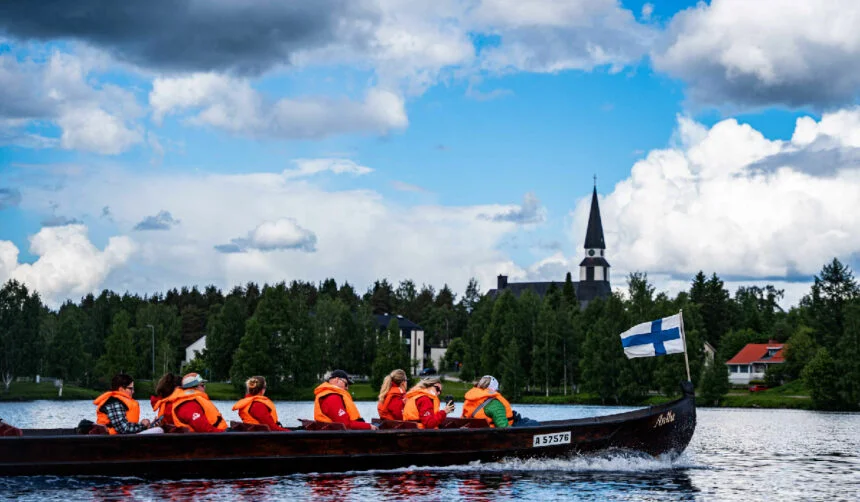
Introduction to Veneajelu
Veneajelu is a Finnish term that represents much more than a simple activity. While its literal meaning translates to “boat ride,” veneajelu reflects a lifestyle, a cultural habit, and a peaceful way of connecting with nature. In Finland, a country famous for its lakes, islands, and waterways, veneajelu plays a significant role in everyday life, especially during the warmer months. It is not about speed, competition, or destination; rather, veneajelu is about the experience itself—slow movement over water, calm surroundings, and a moment of escape from busy modern routines.
In today’s fast-paced world, where people are constantly surrounded by noise, screens, and deadlines, veneajelu offers a refreshing contrast. It encourages slowing down, being present, and enjoying simplicity. This is why veneajelu is often associated with relaxation, mental clarity, and emotional balance. Whether enjoyed alone, with family, or among friends, veneajelu remains one of the most cherished leisure activities in Finnish culture.
The Meaning and Origin of Veneajelu
The word veneajelu is formed from two Finnish words: vene, meaning boat, and ajelu, meaning a ride or a leisurely drive. Combined, veneajelu describes a relaxed boat ride without urgency. Unlike professional boating or fishing trips, veneajelu does not require a specific goal. The act of floating, steering gently, and observing the surroundings is the purpose in itself.
Historically, boats were essential tools for survival in Finland. People relied on them for transportation, fishing, and trade. Over time, as infrastructure developed and life became more modern, boats transitioned from necessity to leisure. Veneajelu emerged as a cultural expression of this shift, symbolizing freedom, calmness, and appreciation for nature.
Cultural Importance of Veneajelu in Finland
Finland is often described as a country deeply connected to nature, and veneajelu is one of the clearest examples of this connection. With thousands of lakes and an extensive coastline, water is everywhere. For many Finnish families, owning or accessing a boat is as normal as owning a bicycle.
Veneajelu is especially popular during summer, when long daylight hours and mild temperatures make outdoor activities more enjoyable. Many people travel to lakeside cottages, where veneajelu becomes part of daily life. Morning rides on calm waters, evening cruises under golden sunlight, and quiet moments surrounded by forests are all part of the veneajelu experience.
This activity is also passed down through generations. Parents teach children how to row, steer, and respect nature. Through veneajelu, values such as patience, responsibility, and environmental awareness are naturally learned.
The Experience of Veneajelu
The true essence of veneajelu lies in how it feels rather than what it looks like. It is an experience that engages the senses and calms the mind. The gentle sound of water touching the boat, the fresh air, and the slow movement create a peaceful environment that is difficult to replicate elsewhere.
During veneajelu, time seems to slow down. There is no pressure to arrive somewhere quickly. Instead, people observe birds, reflections on the water, and changes in the sky. This slow pace allows individuals to disconnect from daily stress and reconnect with themselves.
Many people describe veneajelu as meditative. The repetitive motion and quiet surroundings encourage reflection and mindfulness. For some, it becomes a personal ritual, while for others, it is a shared tradition that strengthens social bonds.
Types of Veneajelu
Although the core idea remains the same, veneajelu can take different forms depending on personal preference and location.
Some common types of veneajelu include:
- Rowboat Veneajelu
This is one of the most traditional forms. It is quiet, slow, and ideal for small lakes. Rowing requires gentle physical effort and offers a deep sense of connection with the water. - Motorboat Veneajelu
While slightly faster, motorboat veneajelu is still relaxed. It allows people to explore larger areas, visit islands, and enjoy longer rides without physical strain. - Canoe or Kayak Veneajelu
This form combines leisure with light exercise. It is popular among nature lovers who enjoy narrow waterways and closer interaction with wildlife. - Group or Family Veneajelu
Many people enjoy veneajelu as a social activity, sharing conversations, food, and quiet moments together.
Each type offers a unique perspective, but all maintain the calm and leisurely spirit of veneajelu.
Benefits of Veneajelu
Veneajelu is not only enjoyable but also beneficial for overall well-being. Its positive effects can be felt both mentally and emotionally.
Some key benefits of veneajelu include:
- Reduced stress and anxiety due to calm surroundings
- Improved mood and mental clarity
- Stronger connection with nature
- Better social bonding when shared with others
- Encouragement of mindfulness and relaxation
Spending time on water has been shown to have a soothing effect on the human mind. Veneajelu naturally creates an environment where worries feel distant and thoughts become clearer.
Veneajelu and Mental Well-Being
One of the most powerful aspects of veneajelu is its impact on mental health. The combination of nature, silence, and slow movement helps the brain recover from overstimulation. Unlike activities that demand constant attention, veneajelu allows the mind to wander freely.
People who regularly engage in veneajelu often report feeling more balanced and emotionally stable. The experience promotes patience and acceptance, as water conditions and weather cannot be controlled. This acceptance often carries over into daily life, helping individuals handle stress more effectively.
For many, veneajelu becomes a personal form of therapy—simple, natural, and deeply fulfilling.
Veneajelu in Modern Times
Even with technological advancement and urban lifestyles, veneajelu remains relevant. In fact, its value has increased as people seek ways to escape digital overload. Modern boats may include updated equipment, but the essence of veneajelu remains unchanged.
Today, veneajelu is also popular among tourists who want to experience authentic Finnish culture. Guided boat rides, scenic lake tours, and archipelago cruises introduce visitors to the peaceful rhythm of Finnish life.
Despite modernization, veneajelu continues to emphasize simplicity. The focus remains on slowing down, respecting nature, and enjoying the moment.
Environmental Awareness and Veneajelu
Veneajelu naturally encourages respect for the environment. People who spend time on lakes and rivers become more aware of water quality, wildlife, and natural balance. This awareness often leads to responsible behavior, such as avoiding pollution and protecting natural habitats.
Many veneajelu enthusiasts prefer eco-friendly practices, including low-emission boats and careful waste management. This harmony with nature is one of the reasons veneajelu is considered a sustainable leisure activity.
The Future of Veneajelu
As the world becomes more hectic, activities like veneajelu are likely to gain even more importance. People are increasingly searching for meaningful experiences that offer peace rather than excitement. Veneajelu perfectly fits this need.
Future generations may adopt new technologies, but the fundamental idea of veneajelu—calm movement on water and appreciation of nature—will remain timeless. It is an activity that does not rely on trends, making it culturally and emotionally sustainable.
Conclusion
Veneajelu is far more than a simple boat ride. It is a reflection of Finnish culture, values, and relationship with nature. Through its slow pace and peaceful atmosphere, veneajelu offers mental clarity, emotional balance, and a deep sense of connection to the natural world.
In a noisy and fast-moving society, veneajelu stands as a reminder that true satisfaction often comes from simplicity. Whether practiced alone or shared with others, veneajelu continues to be a meaningful and enriching experience that holds lasting value for both individuals and communities.
