


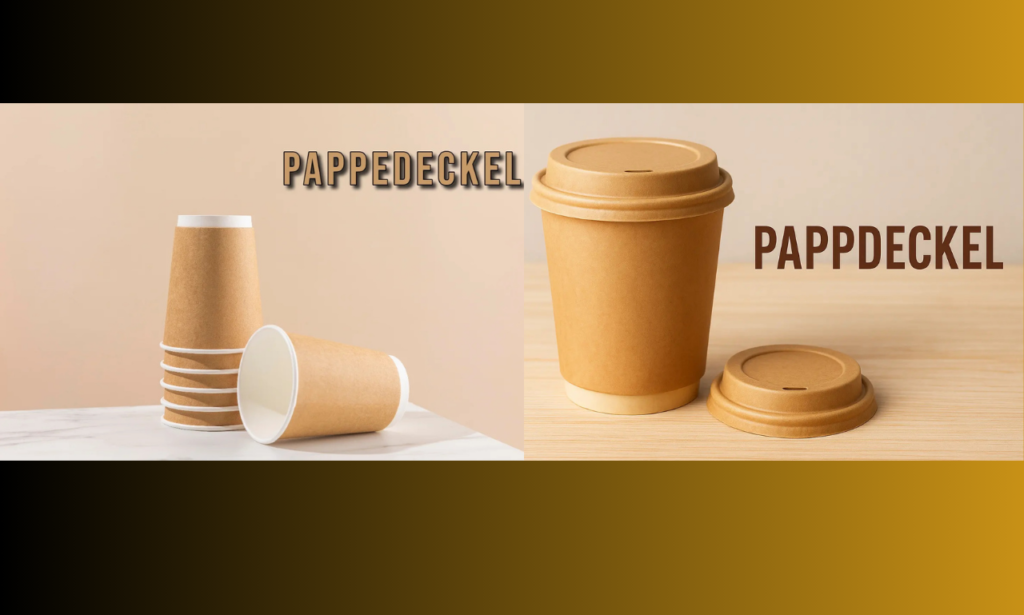
In daily life, many materials are so common that people rarely stop to think about their purpose or value. One such material is pappedeckel, a term widely used in German-speaking regions to describe sturdy cardboard or paperboard. Although simple in appearance, this material plays a crucial role in packaging, storage, crafts, and sustainable product design. Understanding what pappedeckel is and why it is used helps highlight its importance in both commercial and personal settings.
What Is Pappedeckel?
The word pappedeckel refers to thick, rigid cardboard made from compressed paper fibers. It is stronger than regular paper but lighter and more flexible than wood or plastic. Because of this balance, it is commonly used where durability is needed without adding unnecessary weight or cost.
Pappedeckel is often manufactured using recycled paper, making it an environmentally friendly material. Its surface can be smooth or textured, depending on its intended use, and it can be cut, folded, printed, or laminated with ease.
Common Uses of Pappedeckel
One of the reasons pappedeckel is so widely used is its versatility. It appears in many everyday products, often without people realizing it. From packaging to creative projects, its applications are broad and practical.
Common uses include:
- Packaging for food, electronics, and consumer goods
- Book covers and folders
- Storage boxes and organizers
- Craft and DIY projects
- Protective inserts inside shipping cartons
Its ability to protect items while remaining lightweight makes it ideal for both commercial shipping and home use.
Role in Packaging and Shipping
In the packaging industry, pappedeckel is valued for its strength and reliability. It helps protect products during transportation by absorbing shock and preventing damage. Unlike plastic packaging, it is easier to recycle and dispose of responsibly.
Manufacturers often choose this material because it can be customized in thickness and size, allowing it to meet specific packaging needs. It also provides a clean surface for branding, labels, and printed instructions.
Environmental Benefits of Pappedeckel
Sustainability has become a major concern worldwide, and pappedeckel fits well into eco-friendly initiatives. Since it is usually made from recycled paper, it supports waste reduction and resource conservation. After use, it can often be recycled again, creating a circular lifecycle.
Key environmental advantages include:
- Reduced reliance on plastic materials
- Biodegradable composition
- Lower carbon footprint compared to many alternatives
- Easy recycling process
These benefits make it a preferred choice for businesses aiming to reduce environmental impact.
Use in Crafts and Creative Projects
Beyond industrial use, pappedeckel is popular among artists, students, and hobbyists. Its stiffness provides structure, while its surface allows for painting, drawing, and gluing. Schools often use it for educational projects because it is affordable and easy to handle.
Creative uses include:
- Model building
- Scrapbooking
- Decorative displays
- Prototypes and mock-ups
Its flexibility encourages creativity without requiring specialized tools.
Strength and Durability Factors
The durability of pappedeckel depends on its thickness, fiber quality, and manufacturing process. Thicker versions can support significant weight, while thinner sheets are better suited for covers and inserts. Some types are treated to resist moisture or bending, increasing their usability in different environments.
This adaptability makes it suitable for both short-term and long-term applications.
Comparison With Other Materials
When compared to plastic or thin paper, pappedeckel offers a balanced alternative. Plastic is often more durable but less environmentally friendly, while paper lacks rigidity. Pappedeckel sits between these options, offering structure without excessive environmental cost.
Its cost-effectiveness also makes it appealing for businesses managing large-scale production or shipping operations.
Importance in Everyday Products
Many items people use daily rely on pappedeckel for structure and protection. From cereal boxes to notebook covers, it quietly supports functionality and design. Its presence often goes unnoticed, yet it plays a key role in keeping products usable and presentable.
This silent reliability is one of the reasons it remains in constant demand across industries.
Future of Pappedeckel in Sustainable Design
As industries move toward greener solutions, pappedeckel is expected to remain highly relevant. Innovations in recycled fibers and production techniques are improving its strength and appearance, making it suitable for even more applications.
Designers and manufacturers are increasingly choosing paper-based materials to meet environmental goals without sacrificing performance.
Final Thoughts
In summary, pappedeckel is a simple yet highly valuable material that supports packaging, creativity, and sustainability. Its strength, versatility, and eco-friendly nature make it an essential part of modern life. Whether used in shipping, storage, or creative projects, it continues to prove that practical materials do not need to be complex to be effective. Understanding its role helps us appreciate the everyday materials that quietly support our daily routines.
