


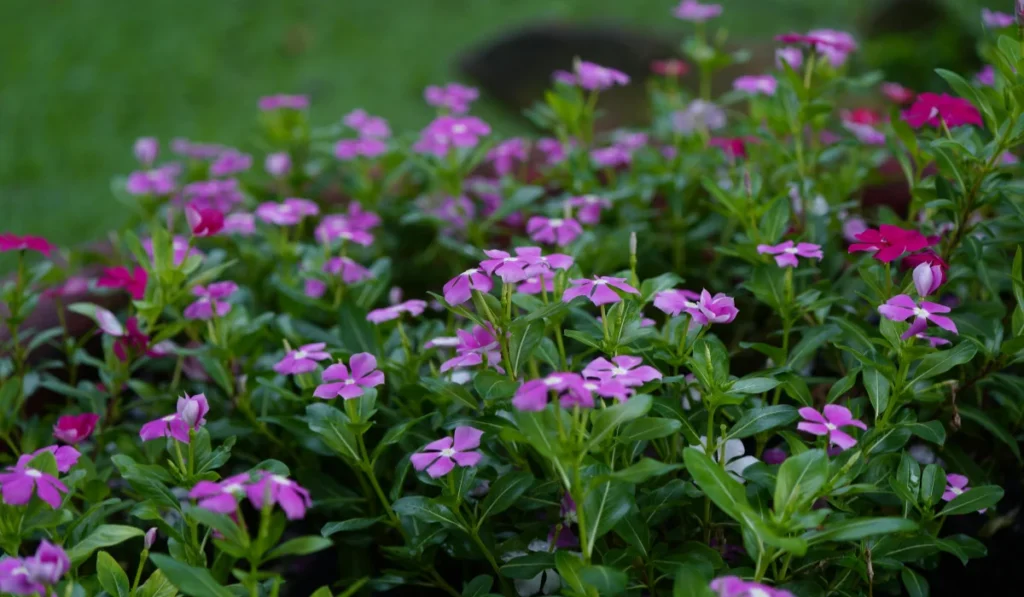
The boylecheloid flower has intrigued many online readers due to its mysterious and poetic descriptions. Though it is not recognized as a scientific species, the term has appeared in various blogs, forums, and creative writings, often described as a rare and visually captivating flower. This article explores what the boylecheloid flower represents, the possible origins of the term, and the real flowers that may have inspired this myth.
What Is the Boylecheloid Flower?
Despite its intriguing descriptions, the boylecheloid flower does not exist in any official botanical database. It is largely a product of imaginative writing and online storytelling. The flower is often portrayed as rare, with delicate petals that may appear spiral-shaped or ridged, vibrant colors that shift with the light, and a subtle fragrance evocative of vanilla or sandalwood. These features have helped the term gain popularity online, even though it lacks scientific classification.
Symbolism and Cultural Significance
The boylecheloid flower carries symbolic weight in creative and cultural contexts. Many writers and enthusiasts associate it with:
- Rarity and mystery: The flower is depicted as elusive and precious.
- Transformation: Color-shifting petals symbolize change and growth.
- Hidden beauty: The flower is imagined to bloom in secluded or secret places.
- Artistic inspiration: Its beauty and uniqueness inspire poetry, artwork, and storytelling.
The term itself is unusual, and its aesthetic appeal encourages interpretation rather than factual identification.
Why People Search for “Boylecheloid Flower”
Search trends show that interest in the boylecheloid flower is driven by curiosity and creative exploration. Factors contributing to its popularity include:
- Descriptive writing and blog posts featuring imaginative floral imagery
- Social media mentions and poetic references
- Repetition of the term across multiple online platforms
- Search engine autocomplete suggestions based on trending searches
Most searches are curiosity-driven rather than attempts to find a real plant species.
Real Flowers That Resemble the Myth
While the boylecheloid flower is symbolic, several real flowers resemble the descriptions commonly associated with it. These include:
1. Cosmos
Cosmos flowers feature delicate petals, bright colors, and a graceful, airy appearance. They are commonly cultivated in gardens for their visual appeal.
2. Dahlias
Dahlias are known for their layered petals and vibrant colors, offering an intricate and sculptural bloom that mirrors the imagined complexity of the boylecheloid flower.
3. Chrysanthemums
Chrysanthemums come in many forms, including tightly packed petals and rich, vibrant colors that could inspire the mythical descriptions.
These flowers embody the visual qualities that online sources attribute to the boylecheloid flower, blending imagination with observable floral characteristics.
The Spread of the Myth Online
The popularity of the boylecheloid flower is amplified by online storytelling. A term that evokes curiosity can spread rapidly as blogs, social media posts, and creative writings repeat descriptions. This pattern is common in digital culture: a phrase that captures imagination becomes widely searched and discussed, even without factual backing.
Appreciating the Concept in Reality
Even without scientific recognition, the boylecheloid flower offers inspiration for gardeners, artists, and storytellers. By planting visually striking flowers like cosmos, dahlias, and chrysanthemums, enthusiasts can capture the essence of the mythical bloom while enjoying real-life beauty and ecological benefits.
Final Thoughts
The boylecheloid flower illustrates how imagination and creativity intersect with botanical fascination. Although it is not a scientifically validated species, the flower’s poetic and symbolic descriptions continue to inspire online curiosity. Recognizing the difference between myth and reality allows enthusiasts to appreciate both the imaginative concept and the actual flowers that may have inspired it.
