


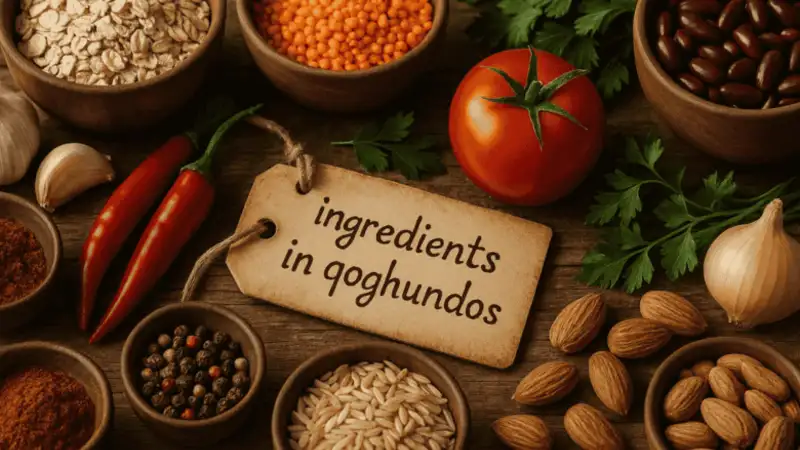
Food-related keywords often attract attention when people come across unfamiliar dish names or regional specialties. One such phrase gaining curiosity is ingredients in qoghundos. Many users search this term to understand what qoghundos is made of, whether it is a traditional recipe, a fusion dish, or a lesser-known culinary preparation. This kind of search reflects a strong interest in food knowledge, cultural exploration, and ingredient transparency.
Unlike mainstream recipes, qoghundos is not widely documented, which makes ingredient-based explanations especially valuable for curious readers.
What Is Qoghundos?
Before exploring the ingredients in qoghundos, it is important to understand its general concept. Qoghundos appears to be a niche or regional dish name that may vary depending on cultural context or local adaptation. Such dishes are often passed down through informal cooking traditions rather than standardized cookbooks.
Because of this, the ingredient list is flexible rather than fixed, allowing variations based on availability, taste, and tradition.
Core Ingredients in Qoghundos
The ingredients in qoghundos typically follow a balanced structure that combines base components, flavor enhancers, and optional additions. While exact formulations may differ, the dish generally relies on familiar, wholesome ingredients.
Commonly included elements are:
- A primary base such as grains, dough, or a starch
- Fresh vegetables for texture and nutrition
- Natural fats like oil or butter
- Herbs and mild spices for aroma
- A protein element in some variations
These components work together to create a filling and flavorful dish.
Role of Spices and Seasoning
Spices play an essential role in defining the taste profile of qoghundos. The ingredients in qoghundos often include seasoning that enhances flavor without overpowering the dish. Unlike heavily spiced recipes, qoghundos leans toward balanced and comforting flavors.
Typical seasoning elements may include:
- Salt for basic flavor balance
- Mild pepper or regional spices
- Dried herbs or fresh leaves
- Aromatic ingredients like garlic or onion
This approach makes the dish appealing to a wide range of palates.
Texture and Consistency
One of the defining characteristics influenced by the ingredients in qoghundos is its texture. Depending on preparation style, the dish may be soft, slightly dense, or lightly crisp on the outside. The combination of base ingredients and cooking method determines the final consistency.
For example, grain-heavy versions tend to be hearty, while vegetable-focused versions feel lighter and fresher.
Nutritional Perspective
From a nutritional standpoint, the ingredients in qoghundos can offer a balanced meal when prepared thoughtfully. The inclusion of vegetables, natural fats, and optional proteins provides energy and essential nutrients.
Key nutritional benefits may include:
- Sustained energy from complex carbohydrates
- Vitamins and minerals from vegetables
- Healthy fats for satiety
- Protein support when legumes or meat are added
This makes qoghundos suitable for everyday meals rather than just occasional treats.
Variations Across Regions
One reason people search ingredients in qoghundos is because the dish may change across regions. Local availability of produce and cultural preferences influence how it is prepared.
Possible variations include:
- Vegetarian versions with extra vegetables
- Protein-rich versions with meat or legumes
- Spicier adaptations using local spices
- Simpler versions for quick preparation
These variations highlight the flexibility of the dish.
Home Cooking Appeal
Home cooks are often drawn to recipes with adaptable ingredients. The ingredients in qoghundos allow for creativity without strict rules, making it approachable for beginners and experienced cooks alike.
Its forgiving nature encourages experimentation while still delivering satisfying results.
Why Ingredient-Based Searches Matter
People searching ingredients in qoghundos are usually focused on understanding what goes into their food. Ingredient transparency helps build trust and allows individuals to align meals with dietary needs, allergies, or preferences.
This type of informational content supports informed decision-making rather than promoting a specific recipe.
Cultural and Culinary Significance
Dishes like qoghundos often carry cultural meaning, even if they are not widely recognized. The ingredients used can reflect local agriculture, seasonal availability, and traditional cooking methods.
Understanding these elements deepens appreciation for lesser-known foods.
Final Thoughts
In conclusion, ingredients in qoghundos represent a flexible and approachable combination of base elements, vegetables, seasoning, and optional proteins. While there is no single fixed recipe, the dish is defined by balance, simplicity, and adaptability. Its growing search interest shows how people value ingredient knowledge and cultural exploration when discovering unfamiliar foods. By focusing on composition rather than strict formulas, qoghundos remains a dish that invites curiosity, creativity, and comfort in equal measure.
